A Structured Path from Current Habits to Lasting Change
Intake Assessment
The first session is a comprehensive intake assessment: a structured conversation covering current food habits, daily schedule, cooking confidence, household composition, activity level, and relationship with seasonal produce. The practitioner completes a written intake form across the ninety minutes.
Participants are asked to bring three days of food diary entries — handwritten or photographed — and a sample of their most recent weekly shopping list. These materials become the baseline documentation for all subsequent work.

Seven-Day Food Log
Between the first and second sessions, the participant keeps a seven-day food log using the practice's structured template. The log records each meal and snack, the approximate quantities, the time of day, the preparation method, and the eating context — alone, with family, at a desk, or at a restaurant.
This log becomes the primary analytical document. It reveals not just what is eaten, but the rhythm of eating — the skipped breakfasts, the late-evening plates, the gaps between meals that drive unplanned food choices. All of this context is irreplaceable.

Macronutrient Distribution Review
The second session analyses the seven-day food log in detail. The practitioner maps the macronutrient distribution across the week — the ratio of whole grains to refined carbohydrates, the proportion of plant-based protein sources, the vegetable and fruit variety across different colour groups, and the fat source balance.
The analysis does not produce a calorie count as its primary output. It produces a qualitative profile — a clear picture of which food groups are well-represented, which are sparse, and which are entirely absent. From this, a practical set of adjustments is drafted and presented as a revision document.

Seasonal Pantry & Shopping Revision
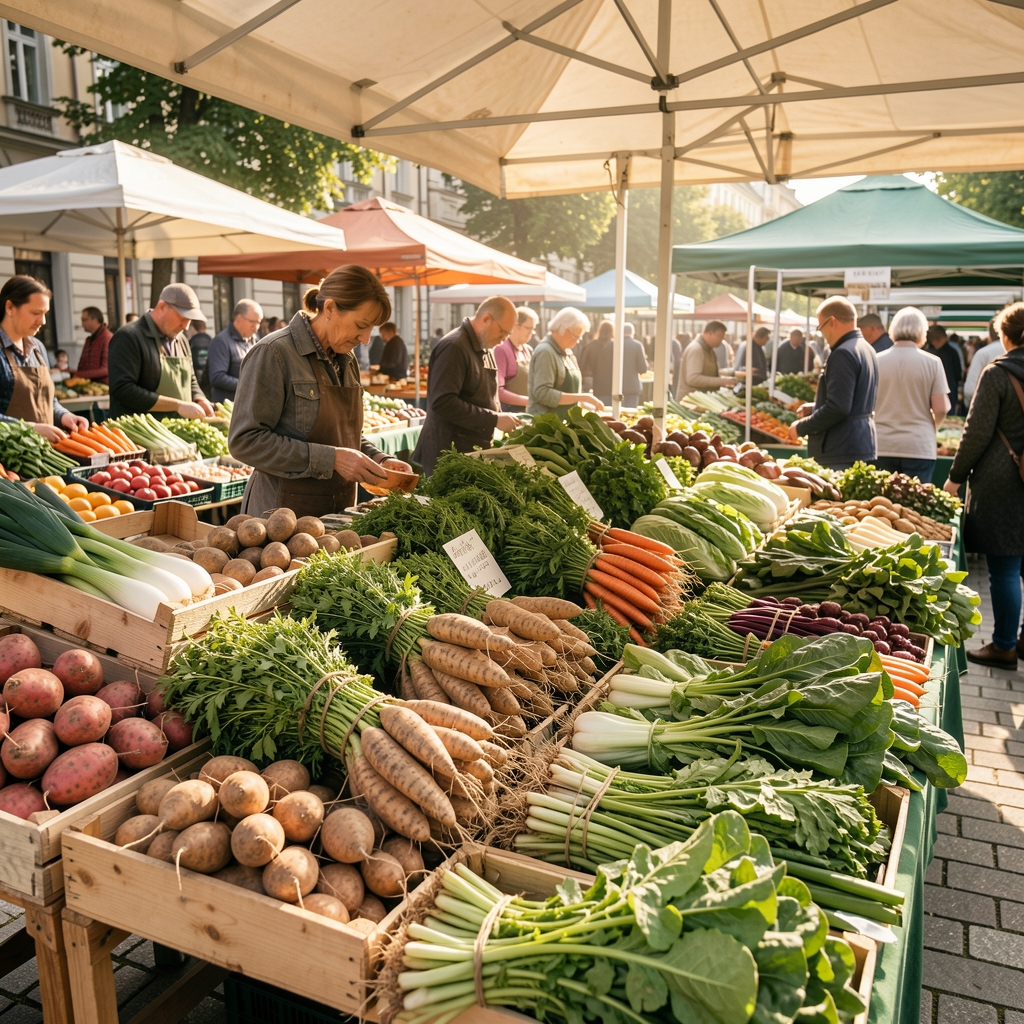
Following the dietary distribution review, the session moves to a practical pantry audit. Working from the participant's original shopping list and food log, the practitioner drafts a revised seasonal shopping guide — replacing absent food groups with realistic, locally available alternatives appropriate to the current season in Bucharest.
A winter revision might introduce root vegetables and legumes where summer produce had previously dominated, or highlight fermented foods that support gut-associated wellbeing during colder months. A summer revision might capitalise on the abundance of fresh produce to shift the balance decisively toward plant-rich eating without additional effort or expense.

Follow-Up & Habit Integration
A structured follow-up session takes place at week four. The participant brings a second seven-day food log. The practitioner compares the two logs side by side: what has shifted, what has held, and what requires a different approach. A revision note is produced at the end of this session.
For participants working across a full programme cycle, follow-up sessions continue at roughly four-week intervals, with a seasonal adjustment built in at the turn of each quarter. The documentation from each cycle is filed and made available to the participant as an archive of their own progress — a readable record of a working dietary practice, not a performance.